

Product Introduction
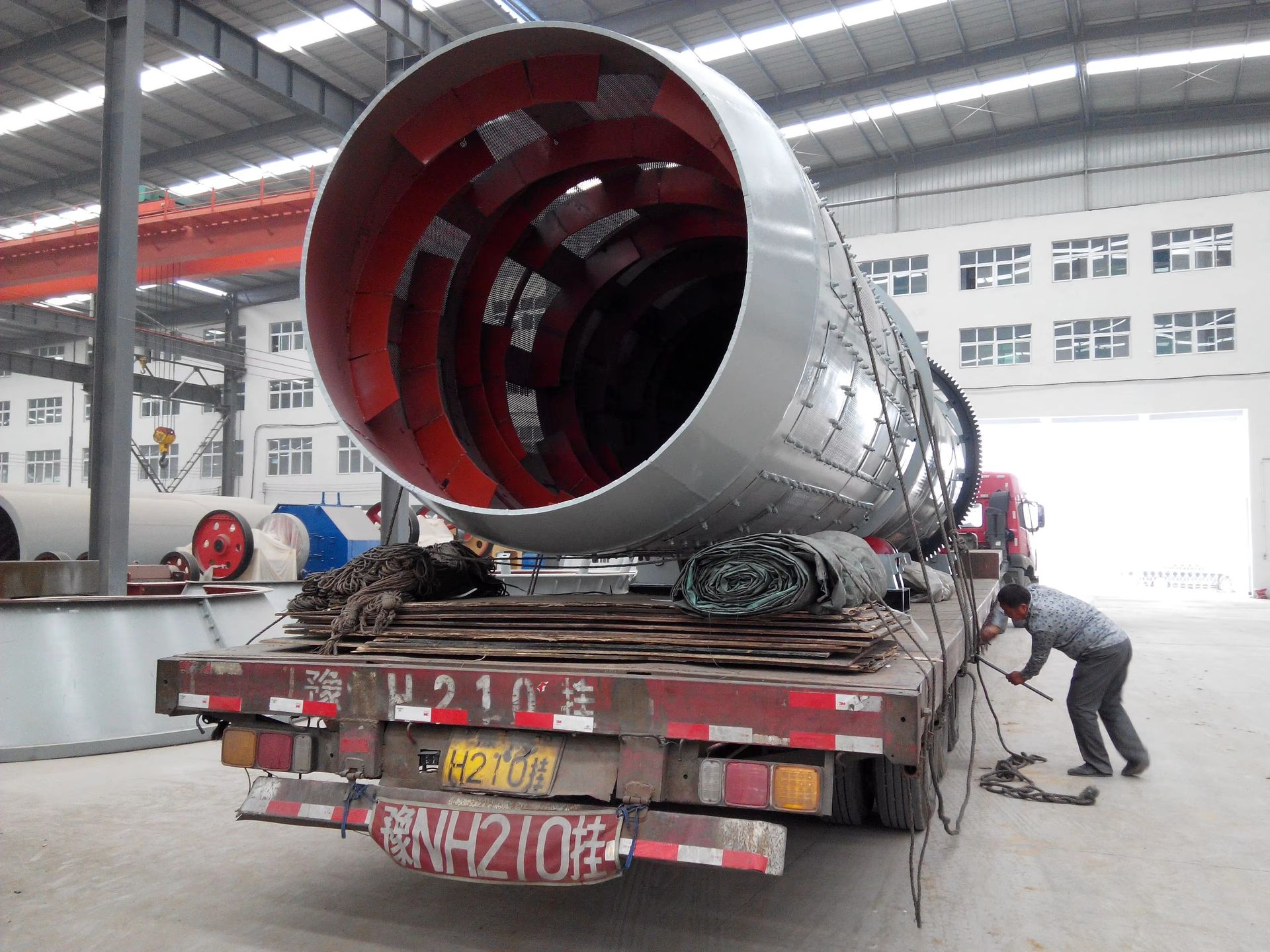
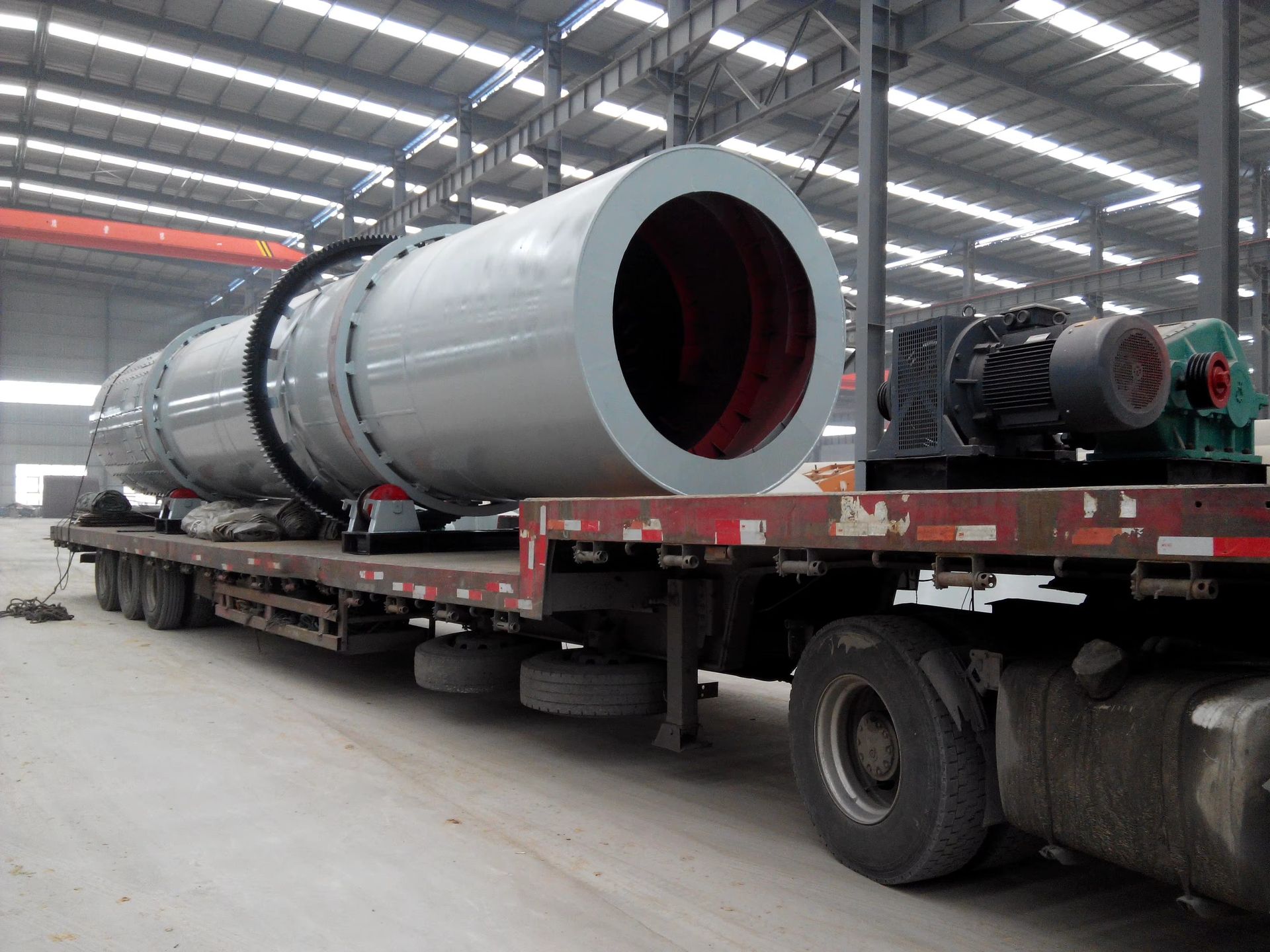
The drum washing machine is widely used for cleaning sediment before beneficiation of iron, manganese, limestone, tin ore and other ores with high mud content. It can stir, wash, separate, and deslimize various difficult to wash large ores, with a washing efficiency of about 98%. This combination is a feasible method for currently difficult to wash ores.
Performance Features
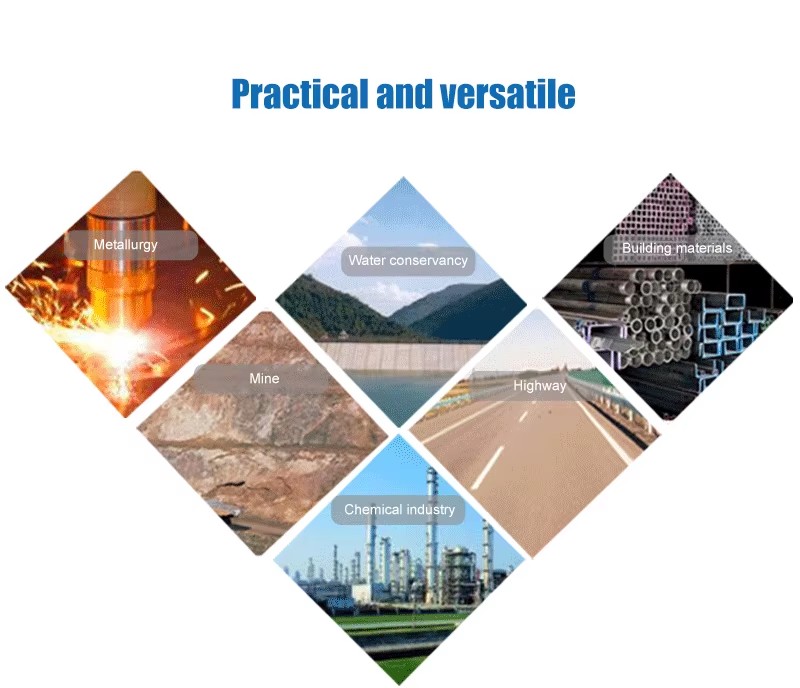
The drum washing machine is widely used for cleaning sediment before beneficiation of iron, manganese, limestone, tin ore and other ores with high mud content. It can stir, wash, separate, and deslimize various difficult to wash large ores, with a washing efficiency of about 98%. This combination is a feasible method for currently difficult to wash ores. The drum washing machine is used for cleaning muddy ore before the execution of the beneficiation process, improving the beneficiation indicators of the subsequent process. It is commonly used in the cleaning process of mineral raw materials such as bauxite, barite, manganese ore, iron ore, limestone, tungsten ore, tin ore, silicon sand ore, etc. The drum washing machine is a large-scale equipment used for cleaning ores and stones in black and non-ferrous metallurgical mines, steel, metallurgy, chemical industry, and building materials. The washing machine has a large processing capacity and is an ideal equipment for enterprises that meet the requirements of high productivity for the cleanliness of ores and stones.
Working principle
The The drum washing machine is supported by four towing wheels, and the cylinder rotates at low speed with the motor and reducer driving the gears. The ore containing mud and stone powder is fed into the feeding port through the feeding device. The ore entering the rotating drum is continuously lifted, thrown, and stirred by a stirring device with a specific angle installed in the cleaning drum. During multiple cycles of movement from the feeding end to the discharging end, it is continuously washed by high-pressure water columns in the clockwise or counterclockwise direction. The cleaned ore is dehydrated by the discharge end sewage removal device and discharged to the finished product pile. The sewage containing sludge flows out through the sewage device at the discharge end, and after settling in a tertiary sedimentation tank, it is ready for further ore washing and recycling.
Application
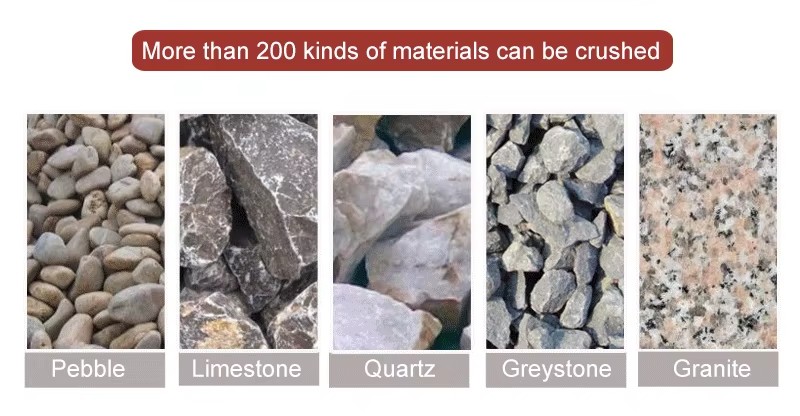
Raw material
Technical data of Drum Ore Washing Machine
| Model | Feed size (mm) | Outlet size (mm) | Power (kw) | Speed (r/min) | Capacity (t/h) |
| φ1.5×(11-15)m | 250 | 20-40 | 18.5 | 10.3 | 30-100 |
| φ1.8×(11-15)m | 300 | 20-40 | 22 | 8.6 | 50-120 |
| φ2×(13-20)m | 350 | 20-40 | 30 | 7.3 | 70-180 |
| φ2.2×(13-20)m | 400 | 20-40 | 37 | 6.6 | 100-200 |
| φ2.5×(13-20)m | 400 | 20-40 | 45 | 4.5 | 120-250 |
Advantages
1. Maximum attrition of heavily clay bound materials.
2. The use of high specification components throughout coupled with FEA testing ensures low cost of ownership by delivering maximum wear resistance.


-
Step 1
Payment and order readiness
Minimum order: 1 Units
Payment terms, specifications, and order details are confirmed before preparation begins.
-
Step 2
Preparation
14 days
-
Step 3
Packaging and dispatch
Packaging details are available on request.
Final packing, freight, and delivery dates are confirmed before dispatch.
Customer reviews
No reviews yet
Be the first customer to review this product.
Write a review
Request custom sourcing
Can’t find what you’re looking for? Share the requirement and our sourcing team will find the right industrial product.